

Charleston SC Weather: The Complete, Honest Guide to All Four Seasons (Plus Hurricane Season)
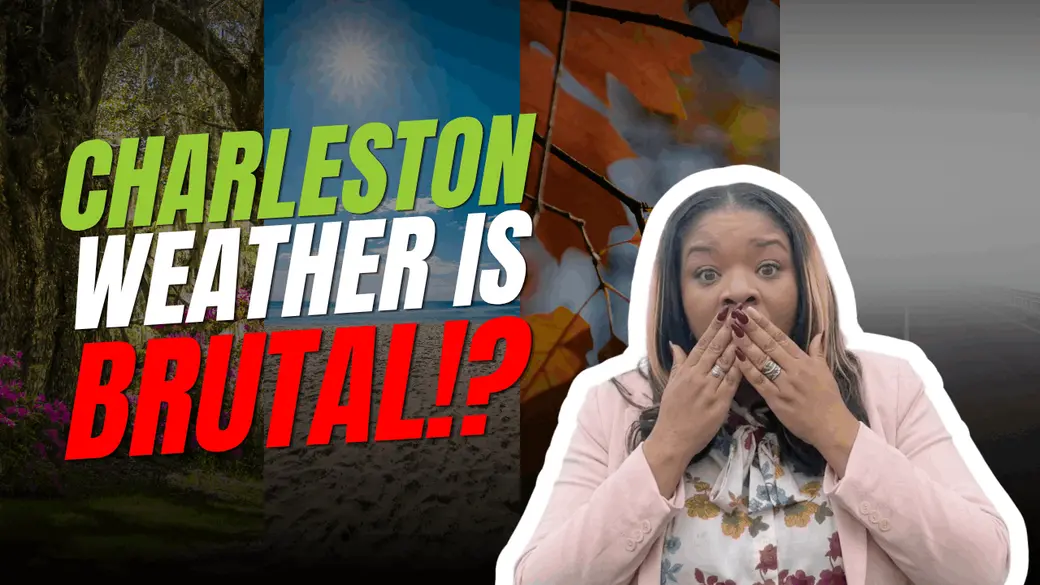
If you've been researching a move to Charleston, South Carolina, someone has probably already told you about the beaches, the food scene, the history, and the charm. But have they told you about the heat index hitting 108 degrees in July? Or the fact that Charleston gets more annual rainfall than Seattle? Probably not.
This guide is here to fix that. If you're in the early stages of deciding whether Charleston or the surrounding Summerville area is the right fit for your family or your remote-work lifestyle, understanding the weather—all of it, the good and the not-so-pretty—is essential. Let's go season by season.
Spring in Charleston SC: Beautiful, Blooming, and a Little Rainy
Temperatures and What to Expect
Spring in Charleston runs roughly March through May, with daytime temperatures climbing from the mid-60s in early March to the upper 70s by late May. Evenings stay comfortable, and this is arguably the most visually stunning time of year in the Lowcountry. Azaleas, wisteria, and live oaks draped in Spanish moss create scenery that genuinely makes people stop their cars.
The catch? Spring brings rain. Charleston's annual rainfall total—around 49 to 52 inches—means April can be a genuinely gray and wet month some years. Afternoon showers are common. Keep an umbrella in your car, build buffer time into your commute on rainy days, and know that the tradeoff for the moisture is spectacular greenery.
Summer in Charleston SC: Heat, Humidity, and How Locals Survive It
What the Heat Index Really Means for Daily Life
Here is where straight talk matters most. Charleston summers are genuinely hot and relentlessly humid from June through September. Daily highs consistently reach the low to mid-90s Fahrenheit, but the heat index—what it actually feels like on your body—regularly registers between 100 and 108 degrees.
The humidity is not subtle. It is thick, it fogs your glasses when you step outside, and it will redefine your relationship with your air conditioning system.
How Locals Cope
Longtime Charlestonians structure their days around the heat. Outdoor activities happen before 10 AM or after 6 PM. Afternoon thunderstorms—almost a daily occurrence from late June through August—provide brief cooling relief. Ocean breezes at nearby beaches like Folly Beach and Isle of Palms make the coast more bearable. And every indoor space is aggressively air-conditioned.
The adjustment is real, but the lifestyle that grows around Charleston summers—slower, porch-centric, community-oriented—becomes something many residents come to genuinely love.
Fall in Charleston SC: The Season Nobody Warns You About (In the Best Way)
Fall is Charleston's best-kept secret. September still feels like summer, but by mid-October the humidity breaks, temperatures drop into the comfortable 70s, and the city transforms. November is near-perfect: highs in the mid-to-upper 60s, lower humidity, and golden afternoon light.
Rainfall decreases significantly in fall, making it one of the drier stretches of the year. If you're planning a scouting trip to see whether Charleston is the right fit, come in October or November. You will see this city at its absolute best.
Winter in Charleston SC: Milder Than You Think
Winters here consistently surprise transplants from colder climates. Average daytime highs from December through February hover around 57 to 62 degrees Fahrenheit. Overnight lows can dip into the upper 30s and occasionally below freezing, but hard freezes are relatively uncommon.
Snow is rare enough that when it happens, the entire city treats it as a minor emergency. Families who move here from the Northeast often spend their first Charleston December in light jackets, somewhat disoriented by how gentle it is. The occasional gray, rainy January week exists, but so do sunny 65-degree January afternoons that feel like the universe is rewarding you for leaving winter behind.
Hurricane Season in Charleston SC: A Realistic Assessment
Risk, Timing, and What Residents Actually Do
The Atlantic hurricane season officially runs June 1 through November 30, with peak activity from mid-August through mid-October. Charleston sits in an area with genuine hurricane exposure, and that's a fact worth acknowledging clearly.
Direct hits from major storms are relatively infrequent—Hurricane Hugo in 1989 remains the defining benchmark, and while storms like Dorian in 2019 and Matthew in 2016 caused significant flooding and damage, they represent the serious end of the risk spectrum rather than the annual norm.
More common and worth understanding is Charleston's chronic flooding issue. Low-lying areas, particularly on the peninsula, can flood during heavy tropical rain even without a direct storm hit. Charleston County's evacuation zones (A through E) guide resident preparedness, and most long-timers maintain supplies and have a plan by August each year. It becomes part of coastal life rather than a source of constant anxiety.
Rainfall in Charleston SC: The Stat That Surprises Everyone
Charleston receives approximately 49 to 52 inches of rain annually—more than famously rainy Seattle, Washington. The difference is in how that rain falls: Charleston's precipitation tends to arrive in heavier, shorter bursts rather than Seattle's persistent drizzle.
The wettest months are June through August, driven by summer thunderstorms and tropical moisture. May and September also see elevated rainfall. For daily life, this means building time into your commute when it rains, being aware of street flooding in low-lying areas, and investing in good drainage if you're buying a home with a yard.
How Charleston SC Weather Affects Homeowners Insurance and Property Taxes
This is the section that every prospective buyer needs to read carefully, because weather in Charleston has a direct financial impact on the cost of homeownership.
Homeowner's insurance premiums in coastal South Carolina are higher than the national average and have been rising in recent years as insurers respond to increased hurricane and flooding activity across the region. Get a real insurance quote—not an estimate—before committing to a specific property.
Flood insurance is an additional and separate cost required for homes in Special Flood Hazard Areas. In parts of Charleston, particularly on the peninsula and in other low-elevation zones, this is mandatory and can add meaningfully to monthly housing costs. Factor it into your budget from the beginning.
On the positive side, South Carolina's property tax rates are among the more favorable in the nation. Establishing primary residency and claiming the 4% owner-occupied rate can make your annual tax bill quite reasonable—a genuine financial benefit of calling this state home.
Final Takeaway: Is Charleston SC Weather Worth It?
For the vast majority of people who relocate to the Charleston and Summerville area, the answer is yes—emphatically. The summers require adjustment. The hurricane season requires preparation. The rainfall requires awareness. But the springs and falls are among the most beautiful in the Southeast, the winters are genuinely mild, and the overall quality of life here is exceptional.
The key is going in informed. Know your flood zone. Get accurate insurance quotes. Understand the seasonal rhythm. And if you're ready to take the next step in your research, download the free 2026 Charleston and Summerville Relocation Guide at the link below—it covers neighborhoods, schools, cost of living, and the job market in the same straight-no-chaser style you just read here.
Questions? My phone number is 843-532-0330. I actually answer it.
Recent Posts